Detailed description
There is no single grade of hook and loop, only grades matched to a job. The material, the width and the put-up below are the three variables worth settling before the first order, because changing any of them later re-opens the price.
What the buyer is choosing
The mistake in comparing quotes is looking at the width and the colour and ignoring the yarn. A 25 mm roll at 380 g/m2 and a 25 mm roll at 300 g/m2 look identical in a photograph and behave completely differently after five hundred cycles.
The material question
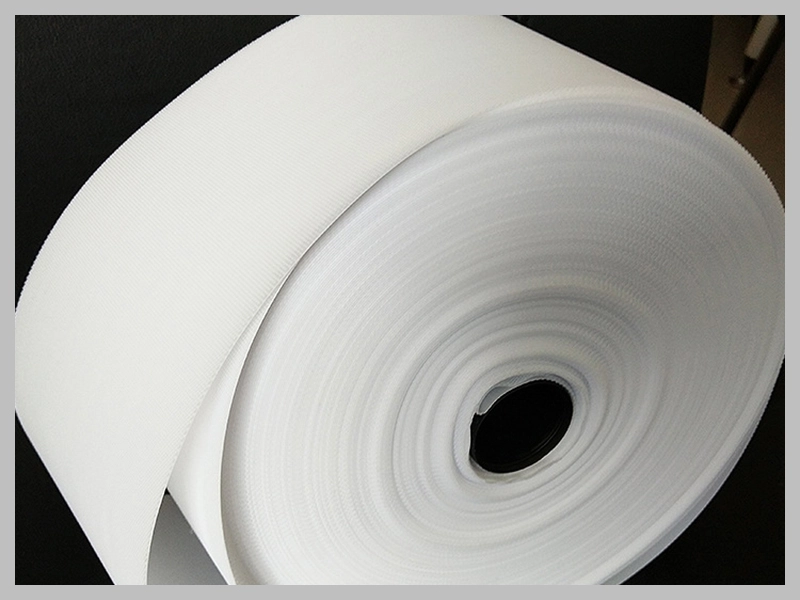
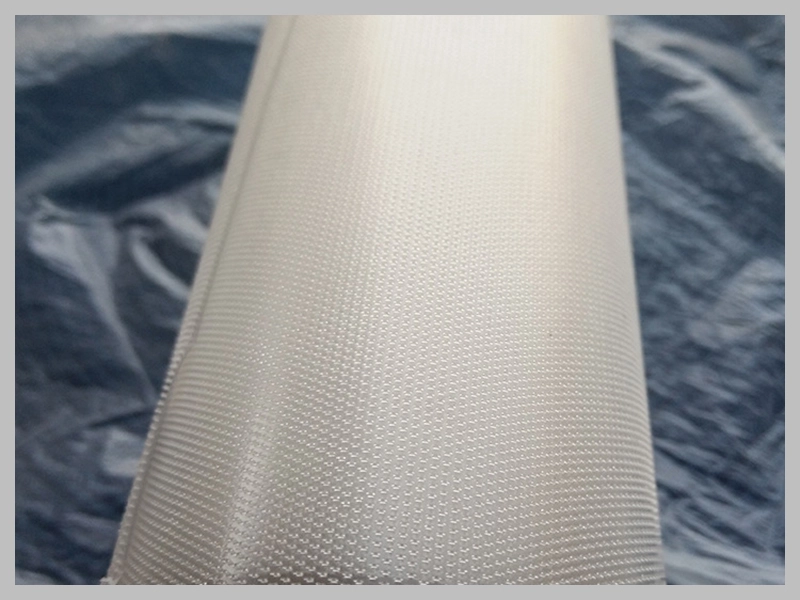
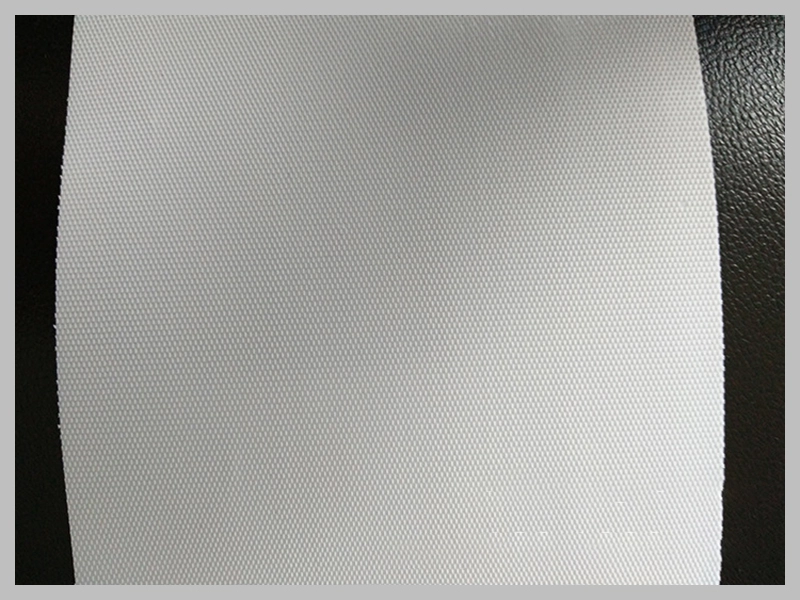
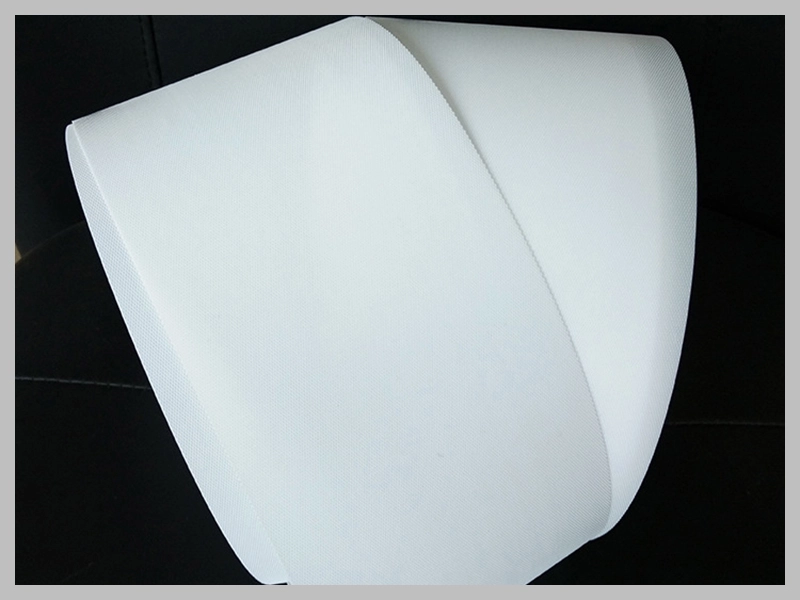
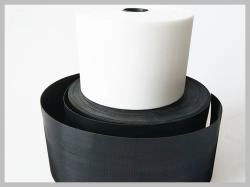
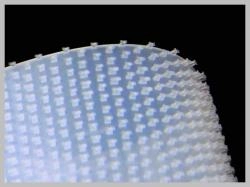
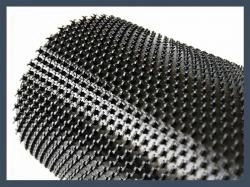
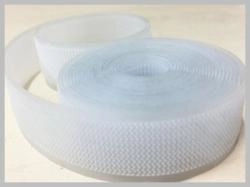
The construction is a woven hook and loop face in the standard grade: enough hook density for a normal closure, priced for volume rather than for a five-year service life. If the application cycles more than a few thousand times, ask for the higher-density weave instead of paying twice for the same part.
How it is quoted
Payment is 30 percent deposit with the balance against a copy of the bill of lading. Mixed widths on one purchase order are quoted as separate lines with a shared lead time, which is usually cheaper than splitting the order.
What ships with the goods
Peel and width are measured on the production lot, not on a sample kept from an earlier run. If your incoming inspection uses a different pull speed or dwell time, tell us and we will match it so the two numbers can be compared.
Checking it on arrival
Do the peel test on the material you will actually bond to, not on a steel plate. The number in the specification is a reference value measured on steel; on powder coat or on a textile it will read differently, and that difference is the one your customer will notice.
If you are comparing suppliers, send the other quotes with the specifications attached and we will tell you which line item is the one that will move on the invoice.