Detailed description
If the last shipment had edges fraying, a width that measured wide on arrival, or a peel that read low in incoming inspection, the cause is almost always in one of the four items described on this page rather than in the price.
What the buyer is choosing
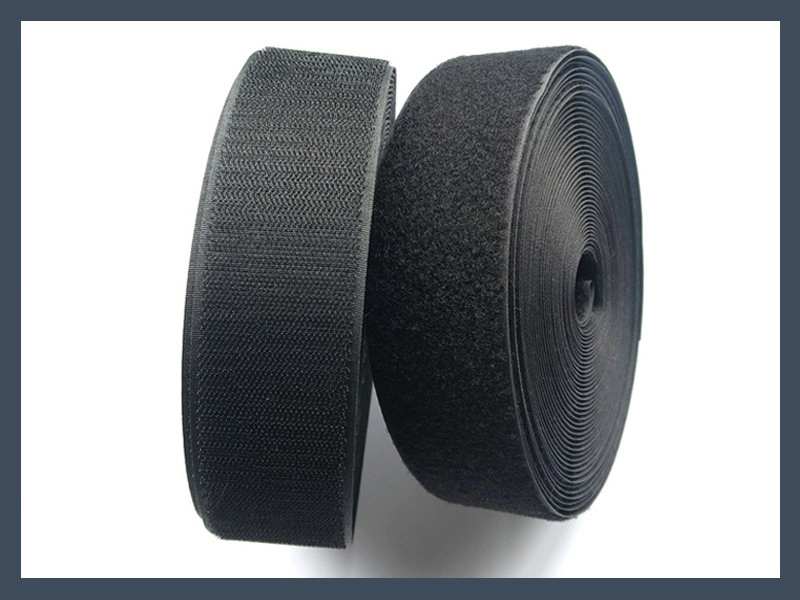
Colour is a specification, not a preference. Dyed lots are matched to a retained standard under D65 light, and a black that matches in an office can read green in daylight. If the colour is customer-facing, approve a physical swatch and keep it, because a photograph is not a standard.
The material question
The fibre is polyester. It takes up less water than nylon, so the width is stable in humid storage and in a container crossing the tropics, and it holds up under UV where nylon would chalk. The trade-off is a slightly stiffer hand and a narrower colour range at the deep end.
How it is quoted
Samples ship in seven days, cut to the width you ask for, with the lot report from the run they came from. Bulk runs fifteen to twenty-five days after sample approval, EXW Xiamen, FOB or CIF as you prefer.
What ships with the goods
Peel and width are measured on the production lot, not on a sample kept from an earlier run. If your incoming inspection uses a different pull speed or dwell time, tell us and we will match it so the two numbers can be compared.
Checking it on arrival
Check the colour in the light the product is sold under. Warehouse fluorescent and daylight will disagree on dark greens and navies, and a lot rejected in one light is often accepted in the other. If it matters, agree the viewing condition before the order, not after.
Send the grade, width and colour with the annual volume and the quote comes back against a real construction rather than a catalogue range.