Detailed description
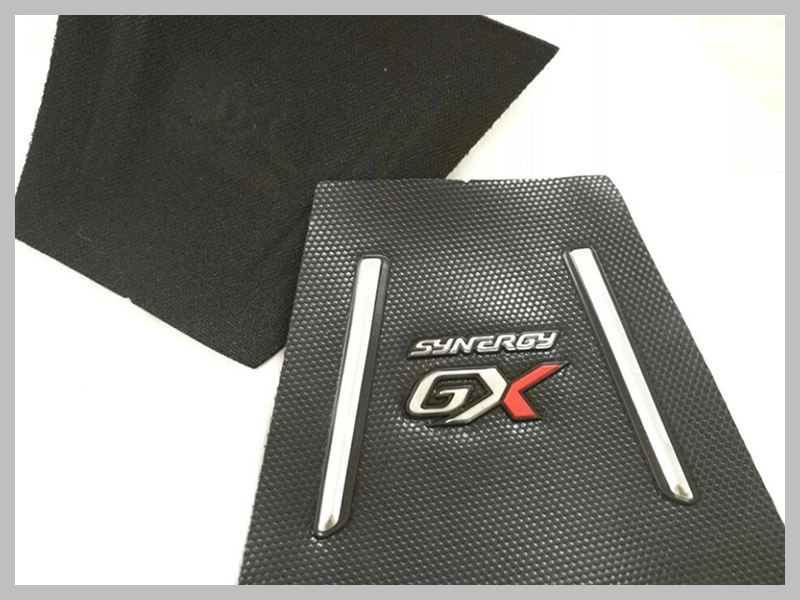
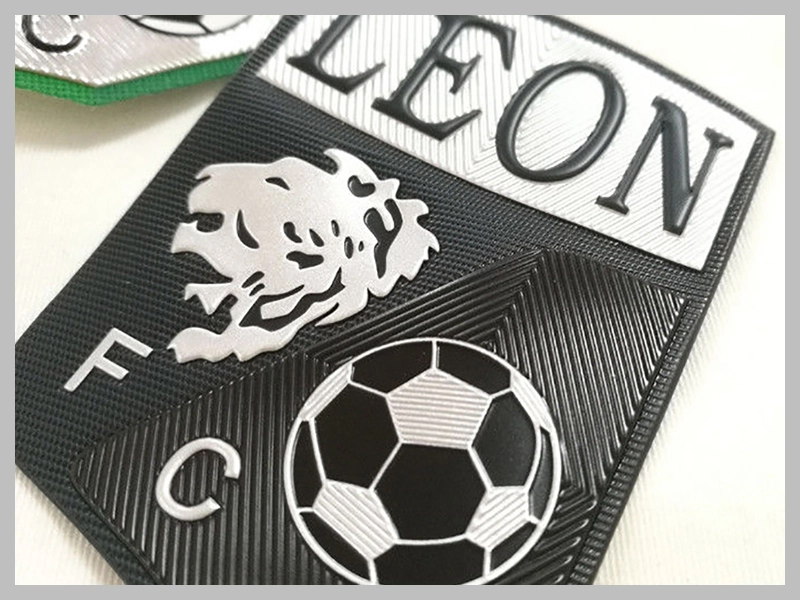
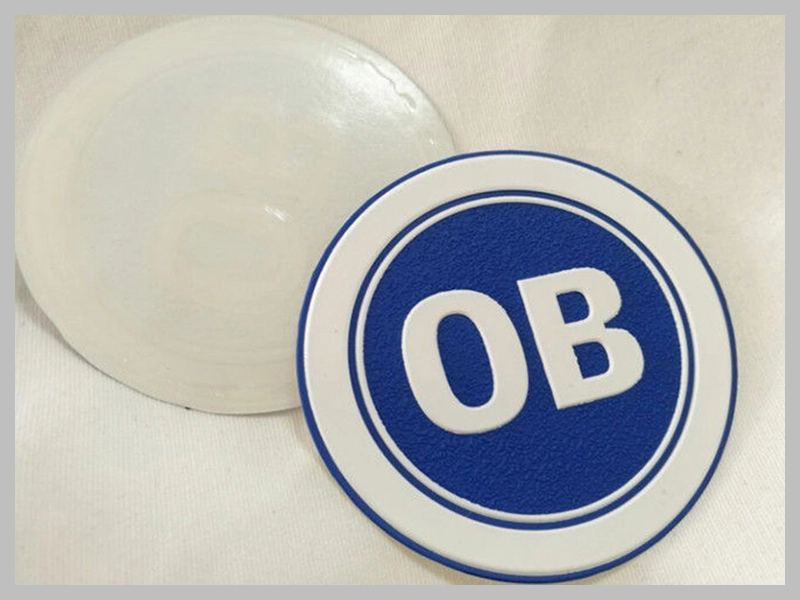
Branding pieces are bought on how they survive the wash and the iron, not on how they look in a render. The specification that decides both is the material and the way it is attached.
Where it is used
It is used where the logo has to survive industrial laundering rather than a home wash. That is a different specification: a higher melt point on the adhesive, a tighter edge on the cut, and a backing that does not delaminate after forty cycles at 60 degrees.
The material question
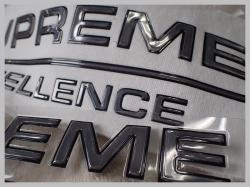
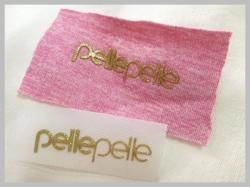
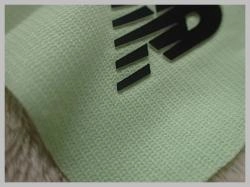
The material is silicone rubber, which stays soft through washing, does not crack at a fold and takes a fine moulded edge. It costs more per piece than PVC and it is the grade to specify when the patch sits where the garment creases.
How it is quoted
Minimum order is set by the sheet, not by the design: several small designs can share one run, which is how a club with six logos keeps the unit cost close to a single-logo order.
What ships with the goods
Packing is polybag plus export carton, with designs bagged separately inside the carton. That is what keeps a six-design order from arriving as one mixed bag.
Checking it on arrival
Measure the size on the finished piece, not on the artwork. Moulded pieces shrink and embroidered pieces pull in, and a five percent difference is visible on a cap front.
If the attachment method is open, send a sample of the garment and we will tell you which of the three constructions will survive its wash cycle.