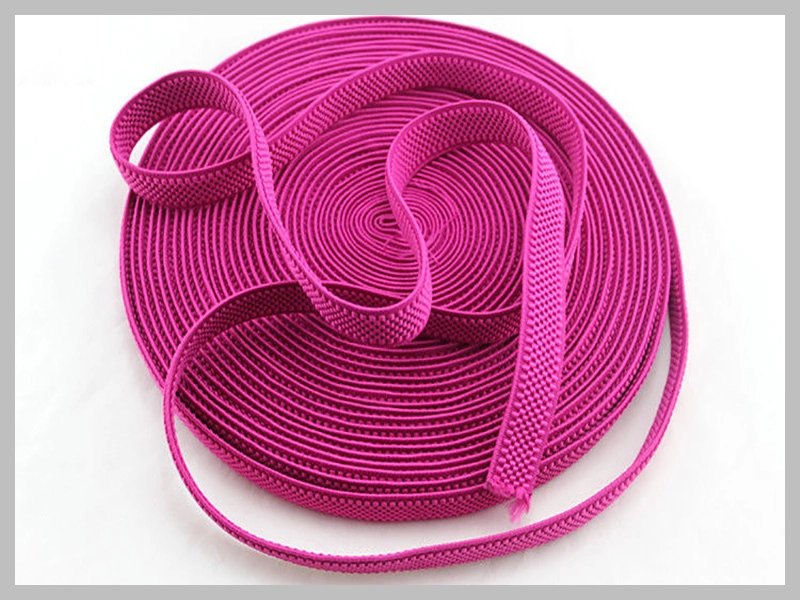
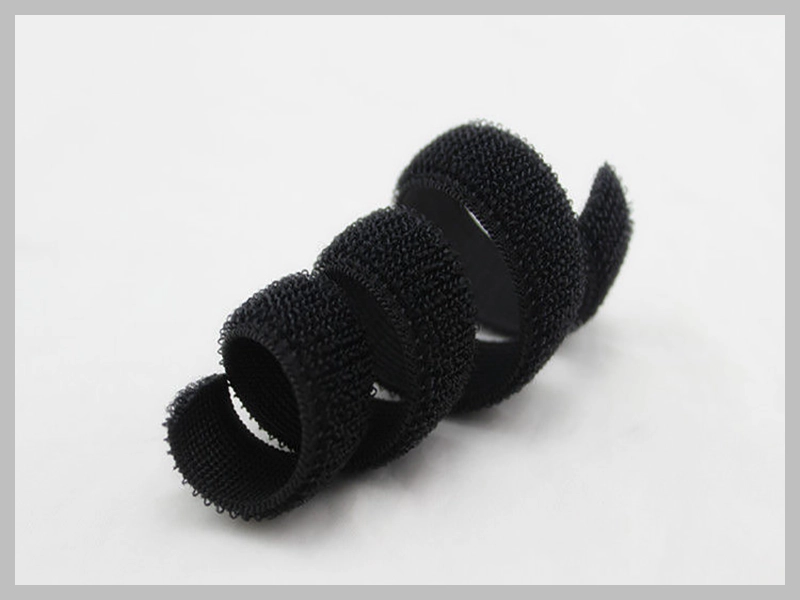
Detailed description
A buyer comparing three quotes for the same nominal product is usually comparing three different constructions. This page sets out what is actually in the tape so the quotes can be read side by side.
What the buyer is choosing
Two things decide whether a roll suits an automated line: the width tolerance at the core and the outside of the roll, and whether the put-up is splice-free. Ask for both in writing. A supplier who quotes a tolerance only for the finished carton is quoting the wrong measurement.
The material question
This is a nylon-polyester blend rather than a single fibre. The nylon share carries the cycle life and the colour depth; the polyester share carries dimensional stability and the price. Blends are quoted by ratio, so if the ratio is not stated, the two quotes you are comparing are not for the same product.
How it is quoted
Minimum order is 500 m in a stock colour and 3,000 m for a custom dye run. The dye minimum is a machine load, not a policy: below it the lot cannot be dyed evenly, and a split lot reads as two colours under D65.
What ships with the goods
Certificates are issued per lot rather than per year, and REACH and RoHS declarations travel with the shipping documents. OEKO-TEX documentation is available on request for skin-contact applications.
Checking it on arrival
On arrival, measure the width at the core and at the outside of the roll before you cut anything. A roll that measures wide at one end and nominal at the other was slit under uneven tension, and the whole lot will behave the same way on your line.
If you are comparing suppliers, send the other quotes with the specifications attached and we will tell you which line item is the one that will move on the invoice.