Detailed description
Most enquiries for this item come down to three decisions made in the wrong order: grade, width, then price. Grade sets the cycle life, width sets the roll cost, and the unit price is only comparable once the first two are fixed.
What the buyer is choosing
The mistake in comparing quotes is looking at the width and the colour and ignoring the yarn. A 25 mm roll at 380 g/m2 and a 25 mm roll at 300 g/m2 look identical in a photograph and behave completely differently after five hundred cycles.
The material question
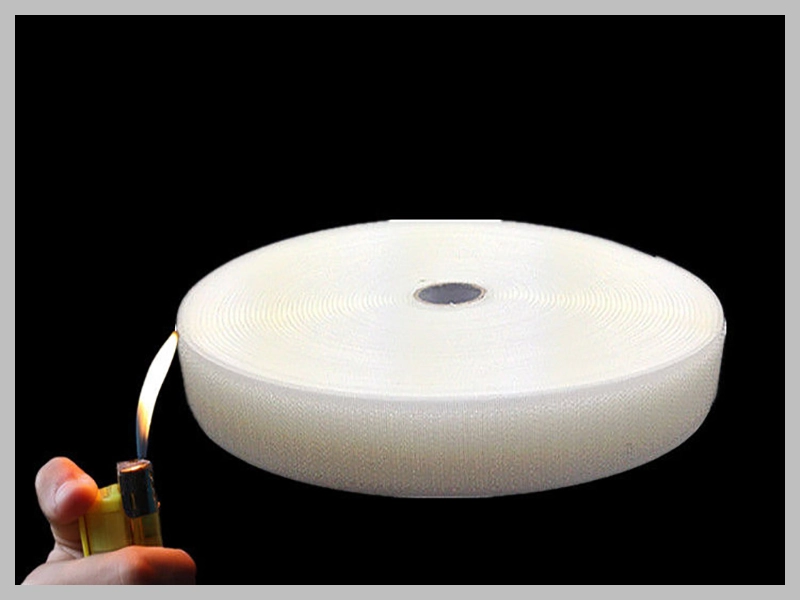
The construction is a woven hook and loop face in the standard grade: enough hook density for a normal closure, priced for volume rather than for a five-year service life. If the application cycles more than a few thousand times, ask for the higher-density weave instead of paying twice for the same part.
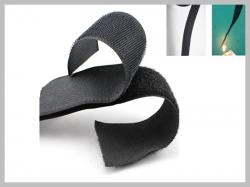
High-temperature performance usually fails at the adhesive or the yarn before it fails at the hook geometry, so specify the working temperature with the standard rather than on its own.
How it is quoted
Quotations are built from construction, width and colour, in that order. Change any one of the three and the price moves, which is why we ask for all three before quoting instead of sending a range and adjusting afterwards.
What ships with the goods
Colour is checked against the retained standard under D65 on every lot, and weft skew, oil marks and hook damage are inspected across the full roll rather than on a cut sample.
Checking it on arrival
Weigh a metre of the roll. Weight per metre is the fastest proxy for yarn density, and it is the number that shifts quietly when a supplier tries to hold a price through a yarn increase.
Send the grade, width and colour with the annual volume and the quote comes back against a real construction rather than a catalogue range.