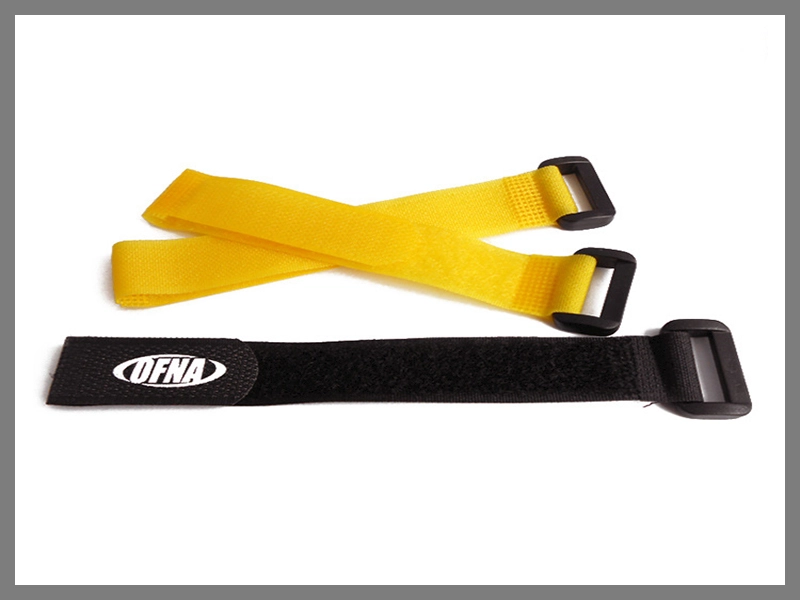
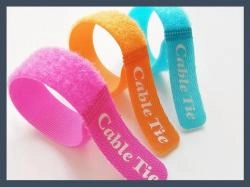
Detailed description
If the last shipment had edges fraying, a width that measured wide on arrival, or a peel that read low in incoming inspection, the cause is almost always in one of the four items described on this page rather than in the price.
What the buyer is choosing
The mistake in comparing quotes is looking at the width and the colour and ignoring the yarn. A 25 mm roll at 380 g/m2 and a 25 mm roll at 300 g/m2 look identical in a photograph and behave completely differently after five hundred cycles.
The material question
The construction is a woven hook and loop face in the standard grade: enough hook density for a normal closure, priced for volume rather than for a five-year service life. If the application cycles more than a few thousand times, ask for the higher-density weave instead of paying twice for the same part.
How it is quoted
Widths are slit from the master roll in one millimetre steps between 10 mm and 150 mm, held to plus or minus 0.5 mm. A width that is not on the list is a slitting instruction, not a new tool, so it does not add lead time once the master exists.
What ships with the goods
Packing is poly bag plus export carton, palletised for LCL. For humid destinations we add a desiccant and a moisture barrier, because a roll that takes up water in transit will measure wide on arrival.
Checking it on arrival
Do the peel test on the material you will actually bond to, not on a steel plate. The number in the specification is a reference value measured on steel; on powder coat or on a textile it will read differently, and that difference is the one your customer will notice.
Ask for a sample at your width; it ships in seven days and it settles the substrate, colour and hand questions faster than any specification sheet.