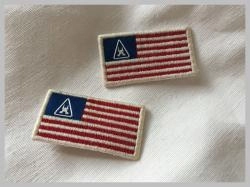
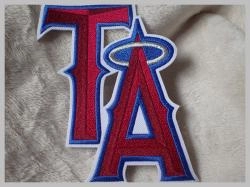
Detailed description
Branding pieces are bought on how they survive the wash and the iron, not on how they look in a render. The specification that decides both is the material and the way it is attached.
Where it is used
It is used where the logo has to survive industrial laundering rather than a home wash. That is a different specification: a higher melt point on the adhesive, a tighter edge on the cut, and a backing that does not delaminate after forty cycles at 60 degrees.
The material question
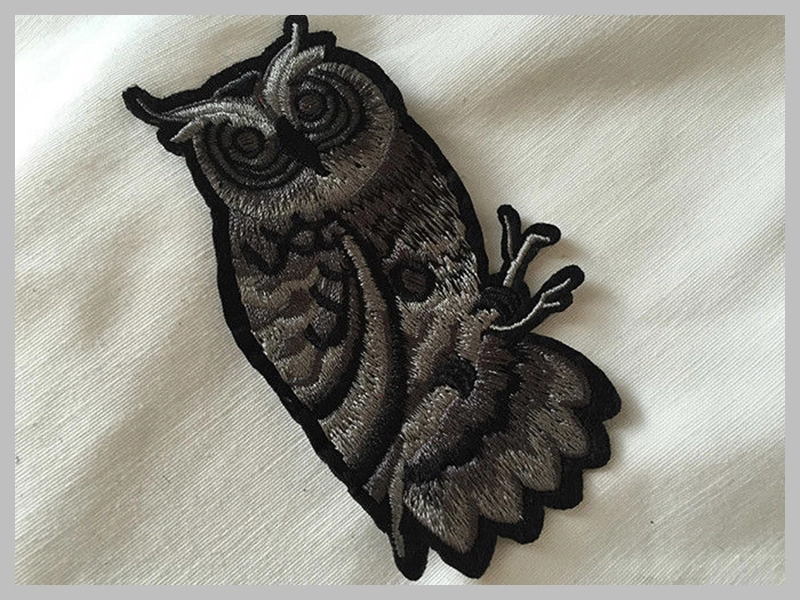
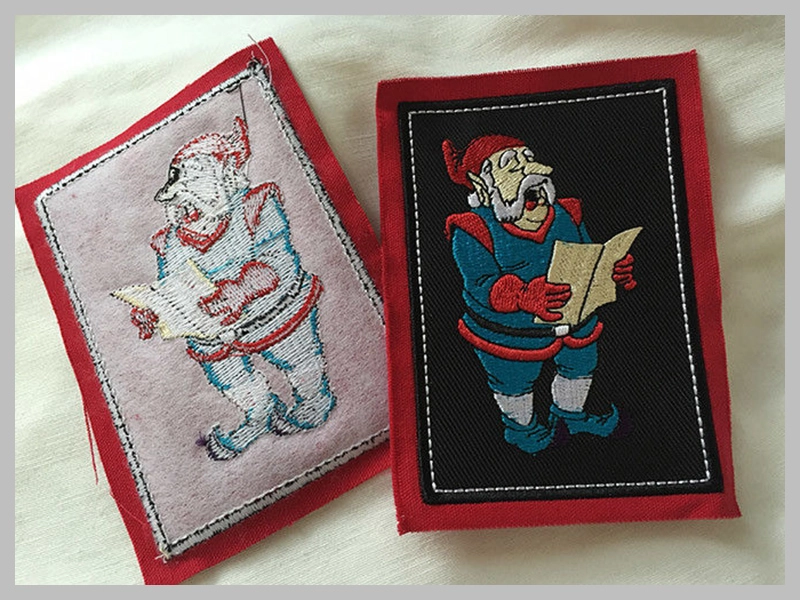
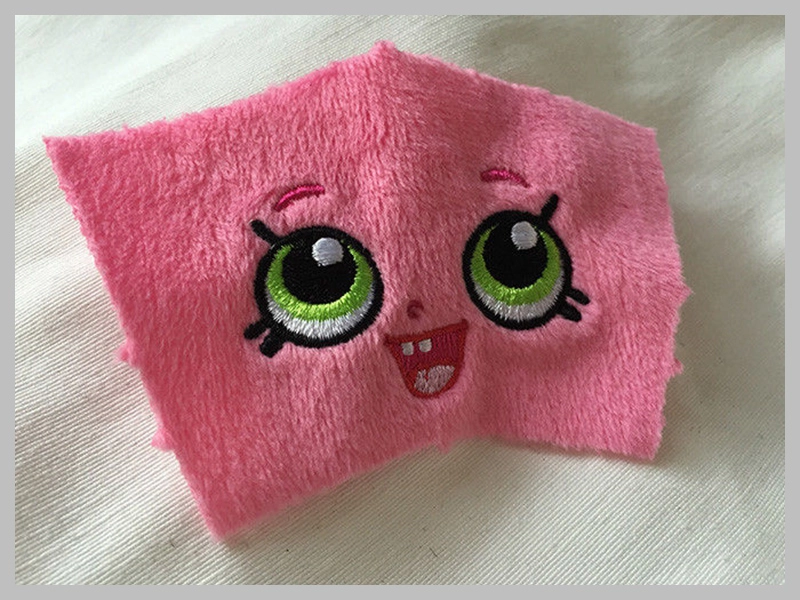
The construction is embroidered, so the edge and the stitch density are the specification. A Merrowed edge holds a shape on a curved surface; a laser-cut edge sits flatter on fine fabric. Stitch count per centimetre decides both the look and the price.
How it is quoted
Sampling takes seven days from approved artwork, and the sample is produced with the production tooling rather than by hand, so what you approve is what the run produces. Bulk runs fifteen to twenty-five days after approval.
What ships with the goods
Packing is polybag plus export carton, with designs bagged separately inside the carton. That is what keeps a six-design order from arriving as one mixed bag.
Checking it on arrival
Press one piece onto the actual fabric with your own settings before the run starts. The failure mode on transfers is almost always the press, not the film, and it is cheaper to find that on one piece than on five hundred.
If the attachment method is open, send a sample of the garment and we will tell you which of the three constructions will survive its wash cycle.