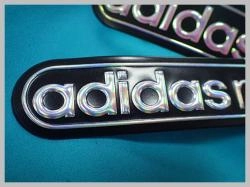
Detailed description
Branding pieces are bought on how they survive the wash and the iron, not on how they look in a render. The specification that decides both is the material and the way it is attached.
Where it is used
It is used where the logo has to survive industrial laundering rather than a home wash. That is a different specification: a higher melt point on the adhesive, a tighter edge on the cut, and a backing that does not delaminate after forty cycles at 60 degrees.
The material question
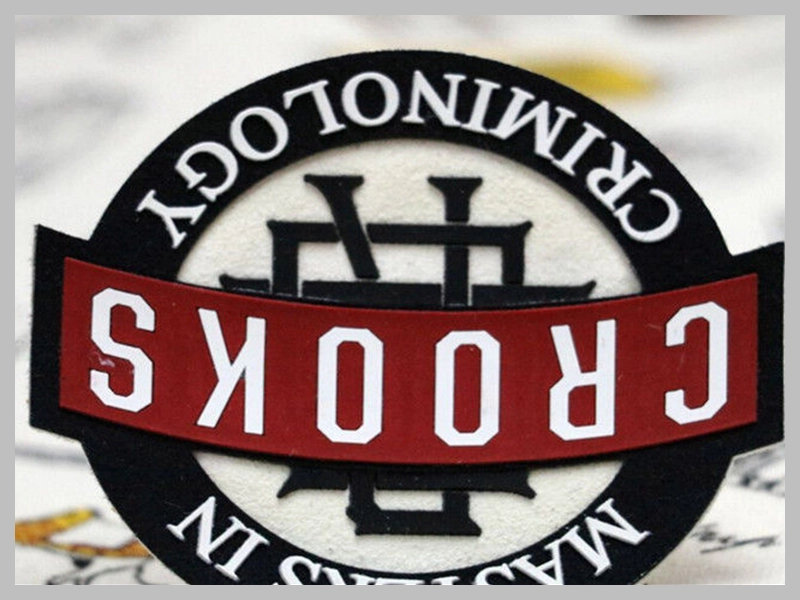
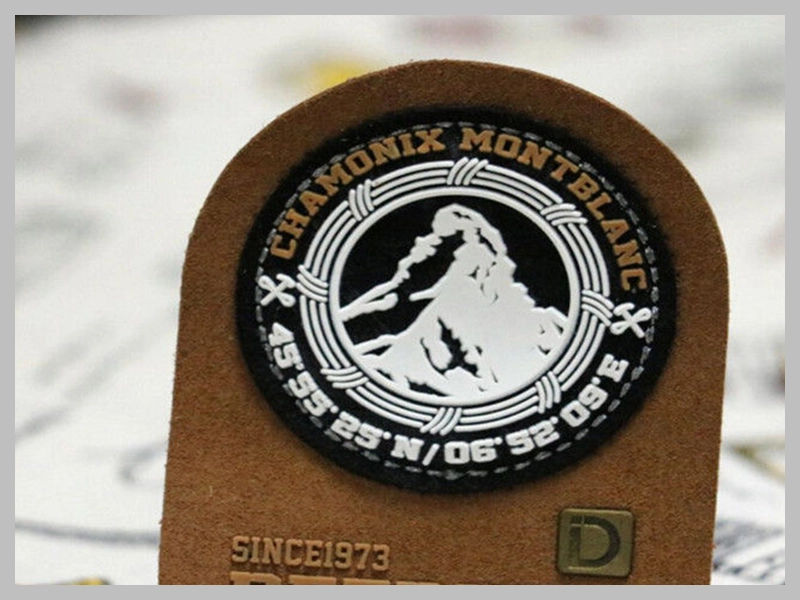
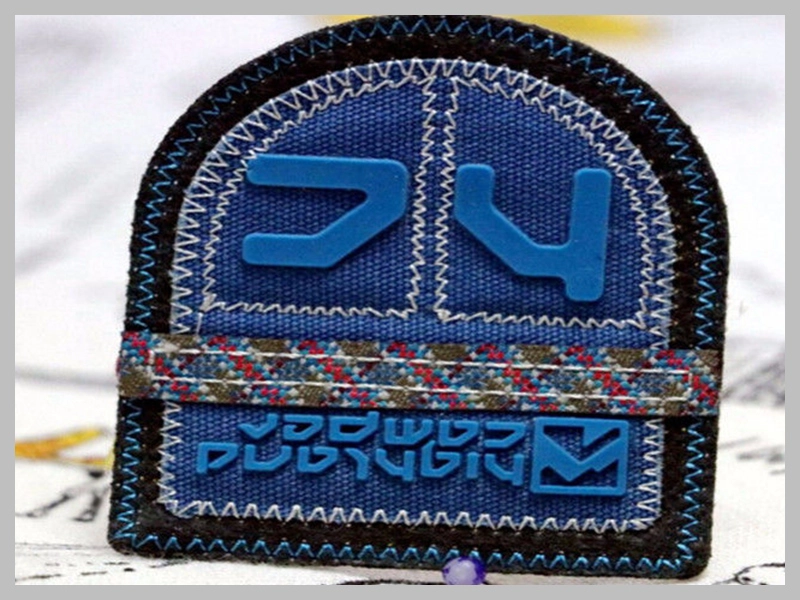
The material is silicone rubber, which stays soft through washing, does not crack at a fold and takes a fine moulded edge. It costs more per piece than PVC and it is the grade to specify when the patch sits where the garment creases.
How it is quoted
Quotations separate the one-off tooling from the piece price, because they behave differently. Tooling is paid once and kept on file against your artwork; the piece price falls with quantity and with how many designs share one sheet.
What ships with the goods
Certificates cover the base material rather than the artwork: REACH and RoHS declarations for the film, PVC or silicone, and OEKO-TEX documentation where the item sits against skin.
Checking it on arrival
Check the colour against the approved swatch in daylight, not under the inspection lamp. Moulded and printed colour drift in different directions, and a mixed order shows it as soon as two designs sit side by side.
Ask for a production sample rather than a hand sample; it is the only way to see what the tooling will actually produce before the run.