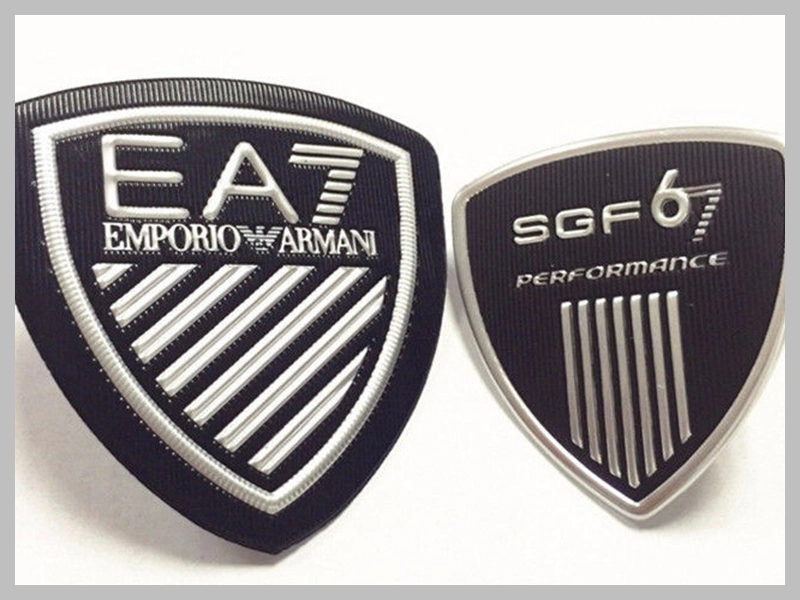
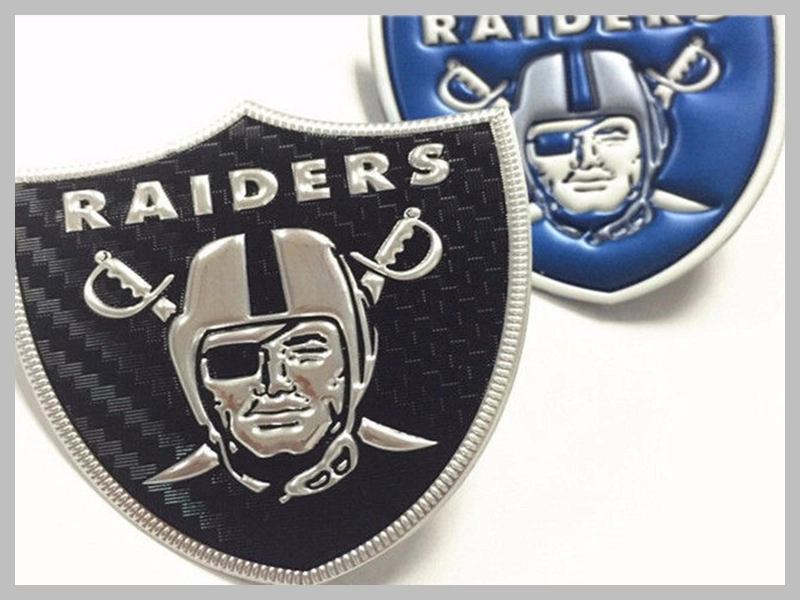
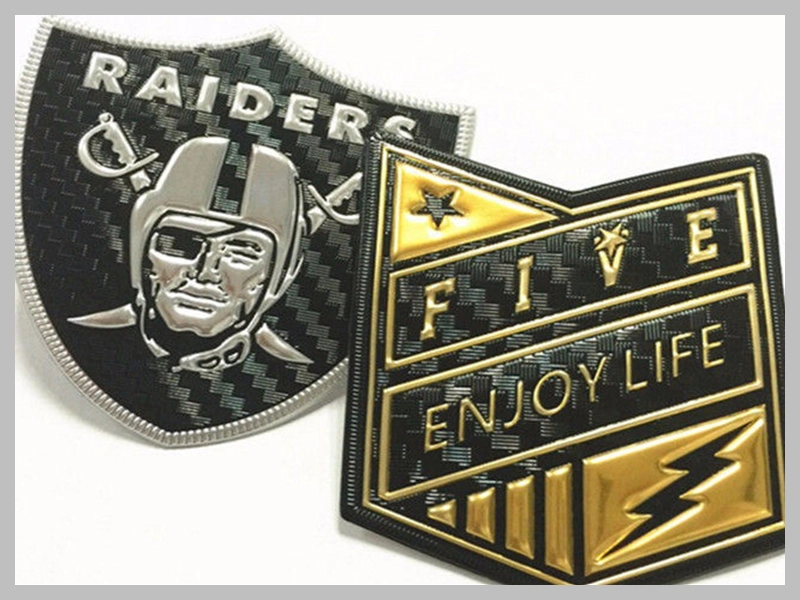
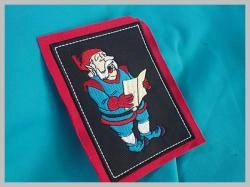
Detailed description
Three decisions fix the price of this item: the material, the attachment method and the artwork. Change any one and the tooling, the minimum and the lead time all move with it.
Where it is used
It is used where the logo has to survive industrial laundering rather than a home wash. That is a different specification: a higher melt point on the adhesive, a tighter edge on the cut, and a backing that does not delaminate after forty cycles at 60 degrees.
The material question
The material is TPU film, which is what makes a thin, soft, high-frequency welded label possible. It bonds at low temperature, so it suits heat-sensitive fabrics where a PVC or rubber patch would mark the surface.
How it is quoted
Minimum order is set by the sheet, not by the design: several small designs can share one run, which is how a club with six logos keeps the unit cost close to a single-logo order.
What ships with the goods
Certificates cover the base material rather than the artwork: REACH and RoHS declarations for the film, PVC or silicone, and OEKO-TEX documentation where the item sits against skin.
Checking it on arrival
Measure the size on the finished piece, not on the artwork. Moulded pieces shrink and embroidered pieces pull in, and a five percent difference is visible on a cap front.
Ask for a production sample rather than a hand sample; it is the only way to see what the tooling will actually produce before the run.