Detailed description
A buyer comparing three quotes for the same nominal product is usually comparing three different constructions. This page sets out what is actually in the tape so the quotes can be read side by side.
What the buyer is choosing
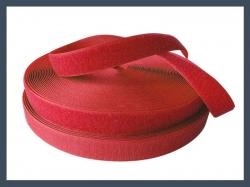
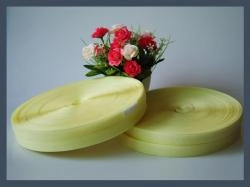
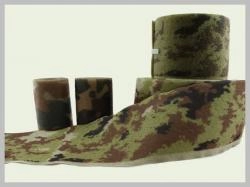
Colour is a specification, not a preference. Dyed lots are matched to a retained standard under D65 light, and a black that matches in an office can read green in daylight. If the colour is customer-facing, approve a physical swatch and keep it, because a photograph is not a standard.
The material question
The fibre is nylon (polyamide). It takes dye deeply, which is why the colour range is wide and why the colour holds through washing at 40 degrees. Its weakness is moisture regain: a nylon roll absorbs water in transit, measures wide on arrival and settles back over about a week, so allow for it in incoming inspection rather than rejecting the lot.
The flame-retardant claim is only worth what the report behind it says: standard, laboratory, lot number and result. Car interiors are tested to FMVSS 302, enclosures to UL94, and protective clothing to whatever standard the customer audits.
How it is quoted
Widths are slit from the master roll in one millimetre steps between 10 mm and 150 mm, held to plus or minus 0.5 mm. A width that is not on the list is a slitting instruction, not a new tool, so it does not add lead time once the master exists.
What ships with the goods
Peel and width are measured on the production lot, not on a sample kept from an earlier run. If your incoming inspection uses a different pull speed or dwell time, tell us and we will match it so the two numbers can be compared.
Checking it on arrival
Weigh a metre of the roll. Weight per metre is the fastest proxy for yarn density, and it is the number that shifts quietly when a supplier tries to hold a price through a yarn increase.
Send the grade, width and colour with the annual volume and the quote comes back against a real construction rather than a catalogue range.