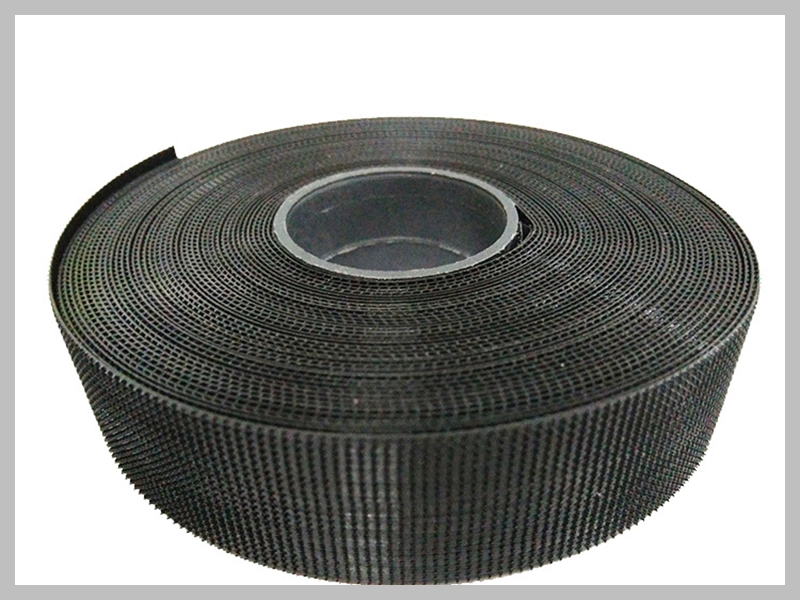
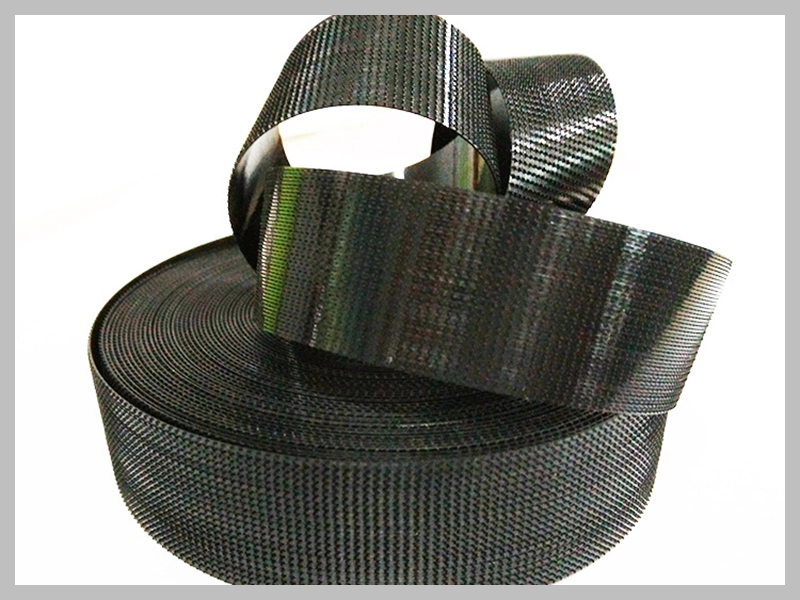
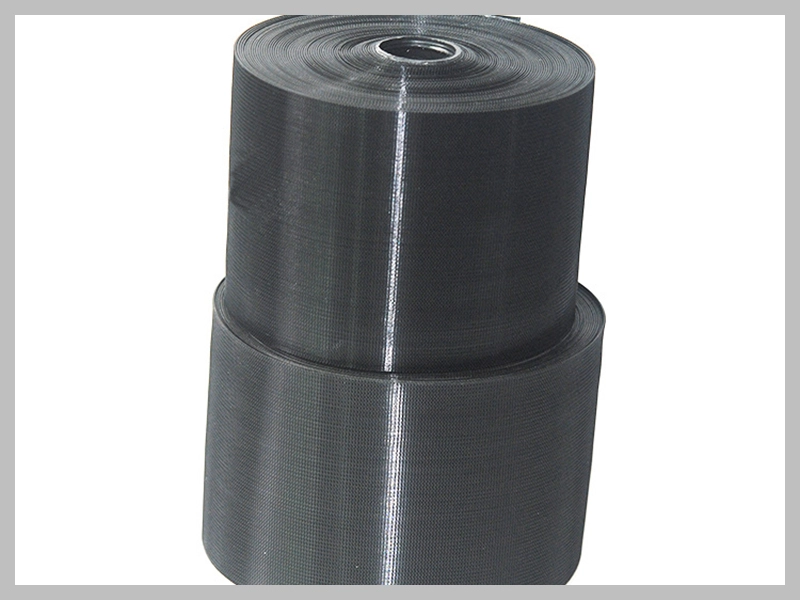
Detailed description
There is no single grade of hook and loop, only grades matched to a job. The material, the width and the put-up below are the three variables worth settling before the first order, because changing any of them later re-opens the price.
What the buyer is choosing
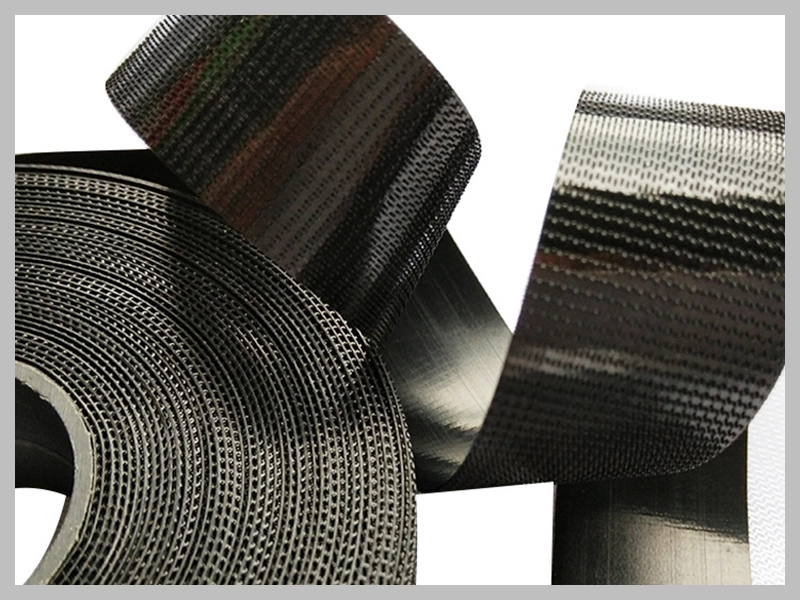
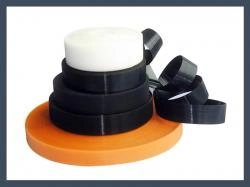
Grade and backing are separate decisions. The same woven face is supplied plain for stitching, coated with acrylic for panels, or coated with rubber for rough and low-energy surfaces. Buying the face and the backing as one item is what produces the 'it stuck for a week then fell off' complaint.
The material question
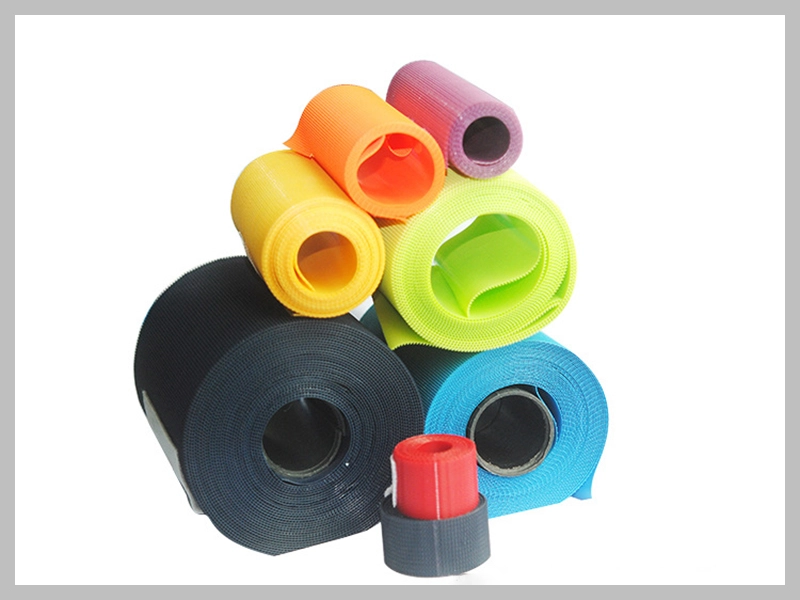
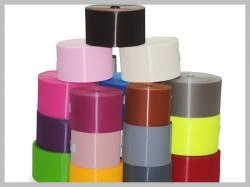
The fibre is nylon (polyamide). It takes dye deeply, which is why the colour range is wide and why the colour holds through washing at 40 degrees. Its weakness is moisture regain: a nylon roll absorbs water in transit, measures wide on arrival and settles back over about a week, so allow for it in incoming inspection rather than rejecting the lot.
How it is quoted
Samples ship in seven days, cut to the width you ask for, with the lot report from the run they came from. Bulk runs fifteen to twenty-five days after sample approval, EXW Xiamen, FOB or CIF as you prefer.
What ships with the goods
Certificates are issued per lot rather than per year, and REACH and RoHS declarations travel with the shipping documents. OEKO-TEX documentation is available on request for skin-contact applications.
Checking it on arrival
Do the peel test on the material you will actually bond to, not on a steel plate. The number in the specification is a reference value measured on steel; on powder coat or on a textile it will read differently, and that difference is the one your customer will notice.
If the grade is still open, send the application and the cycle count and we will tell you which of the three constructions is the cheapest one that will survive it.