Detailed description
Branding pieces are bought on how they survive the wash and the iron, not on how they look in a render. The specification that decides both is the material and the way it is attached.
Where it is used
It goes onto polyester sports fabric, cotton drill, nylon outerwear, canvas bags and caps. The one combination that fails most often is a heat transfer onto a coated or water-repellent fabric, because the coating releases before the adhesive cures.
The material question
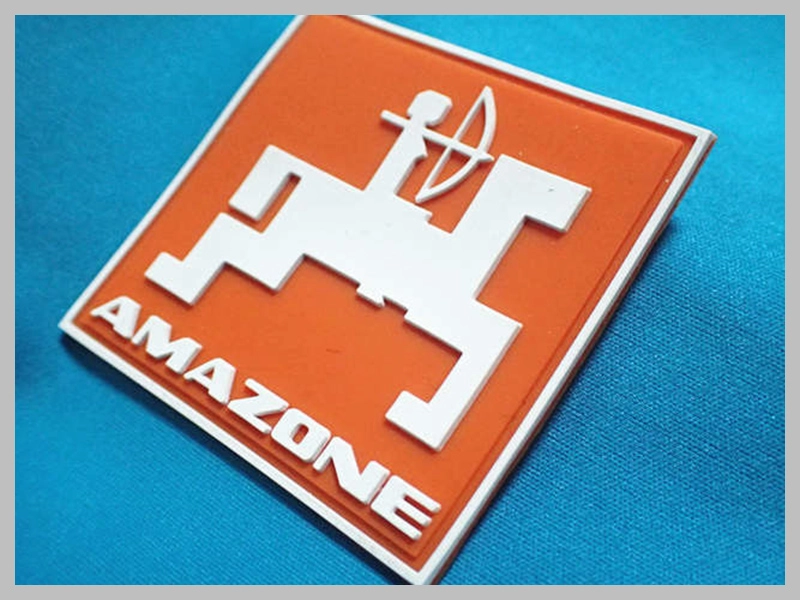
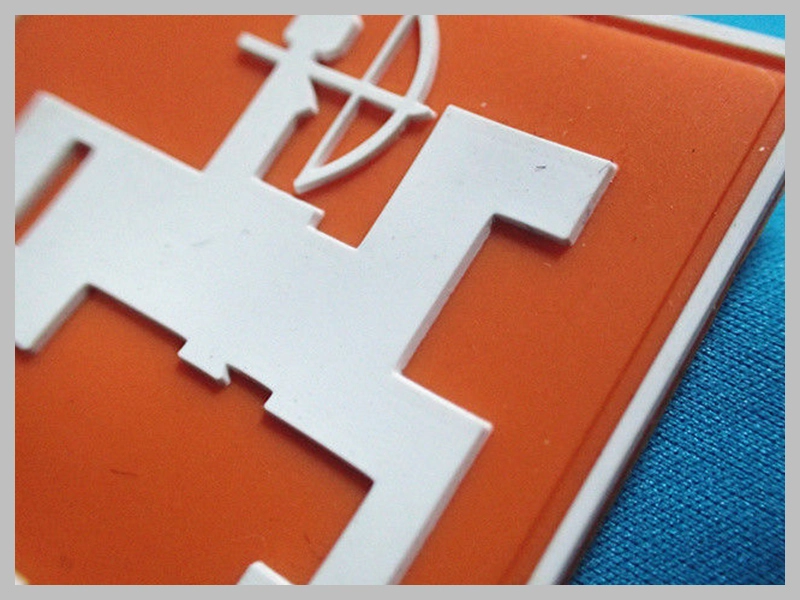
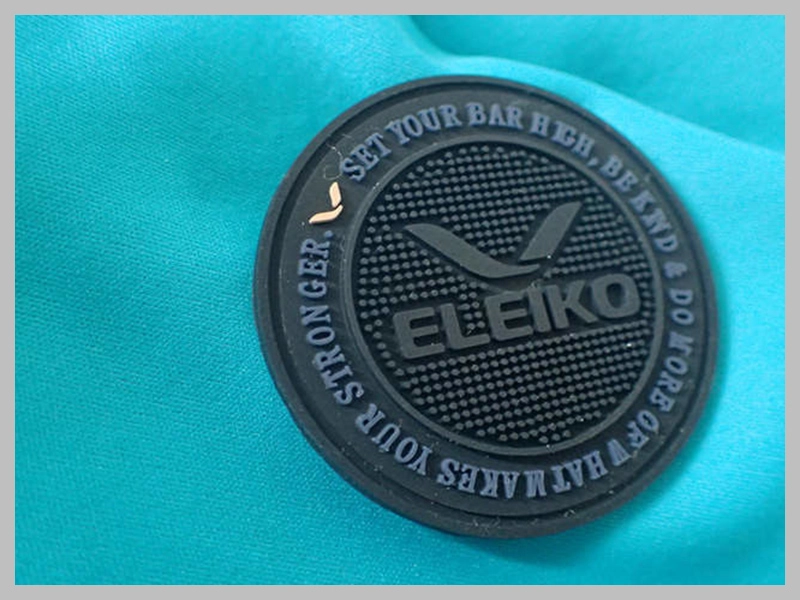
The material is silicone rubber, which stays soft through washing, does not crack at a fold and takes a fine moulded edge. It costs more per piece than PVC and it is the grade to specify when the patch sits where the garment creases.
How it is quoted
Quotations separate the one-off tooling from the piece price, because they behave differently. Tooling is paid once and kept on file against your artwork; the piece price falls with quantity and with how many designs share one sheet.
What ships with the goods
Wash-test results are reported per lot where the customer specifies a cycle count, and the test method is named on the report rather than described as 'washable'.
Checking it on arrival
Measure the size on the finished piece, not on the artwork. Moulded pieces shrink and embroidered pieces pull in, and a five percent difference is visible on a cap front.
Send the artwork, the fabric and the quantity and the quote comes back split into tooling and piece price so you can compare it against your current supplier line by line.