Detailed description
If the last shipment had edges fraying, a width that measured wide on arrival, or a peel that read low in incoming inspection, the cause is almost always in one of the four items described on this page rather than in the price.
What the buyer is choosing
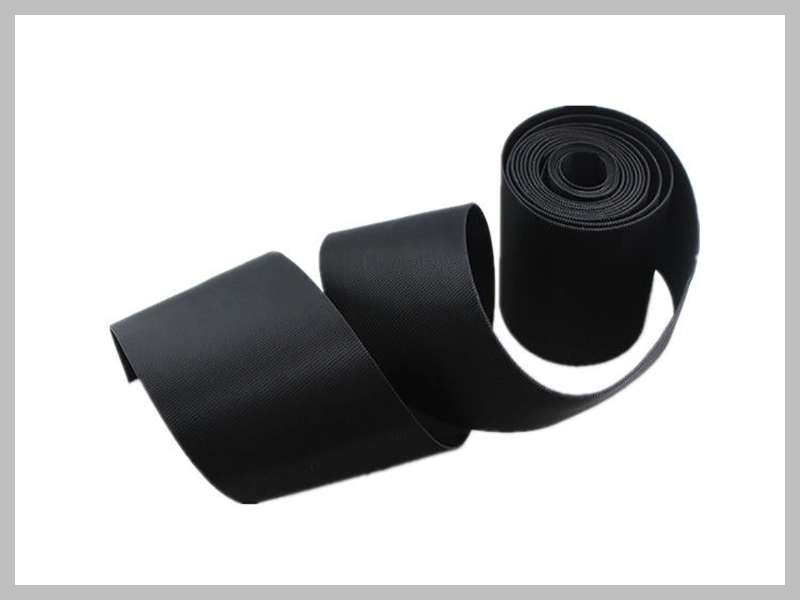
Grade and backing are separate decisions. The same woven face is supplied plain for stitching, coated with acrylic for panels, or coated with rubber for rough and low-energy surfaces. Buying the face and the backing as one item is what produces the 'it stuck for a week then fell off' complaint.
The material question
The fibre is polyester. It takes up less water than nylon, so the width is stable in humid storage and in a container crossing the tropics, and it holds up under UV where nylon would chalk. The trade-off is a slightly stiffer hand and a narrower colour range at the deep end.
How it is quoted
Quotations are built from construction, width and colour, in that order. Change any one of the three and the price moves, which is why we ask for all three before quoting instead of sending a range and adjusting afterwards.
What ships with the goods
Certificates are issued per lot rather than per year, and REACH and RoHS declarations travel with the shipping documents. OEKO-TEX documentation is available on request for skin-contact applications.
Checking it on arrival
On arrival, measure the width at the core and at the outside of the roll before you cut anything. A roll that measures wide at one end and nominal at the other was slit under uneven tension, and the whole lot will behave the same way on your line.
If the grade is still open, send the application and the cycle count and we will tell you which of the three constructions is the cheapest one that will survive it.