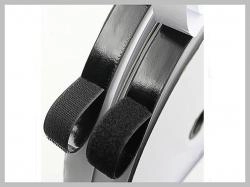
Detailed description
A buyer comparing three quotes for the same nominal product is usually comparing three different constructions. This page sets out what is actually in the tape so the quotes can be read side by side.
What the buyer is choosing
The mistake in comparing quotes is looking at the width and the colour and ignoring the yarn. A 25 mm roll at 380 g/m2 and a 25 mm roll at 300 g/m2 look identical in a photograph and behave completely differently after five hundred cycles.
The material question
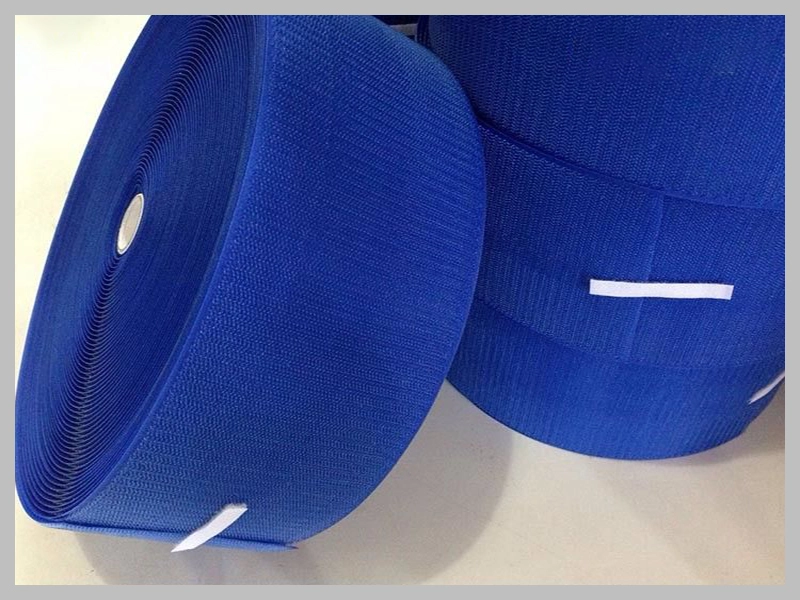
The fibre is nylon (polyamide). It takes dye deeply, which is why the colour range is wide and why the colour holds through washing at 40 degrees. Its weakness is moisture regain: a nylon roll absorbs water in transit, measures wide on arrival and settles back over about a week, so allow for it in incoming inspection rather than rejecting the lot.
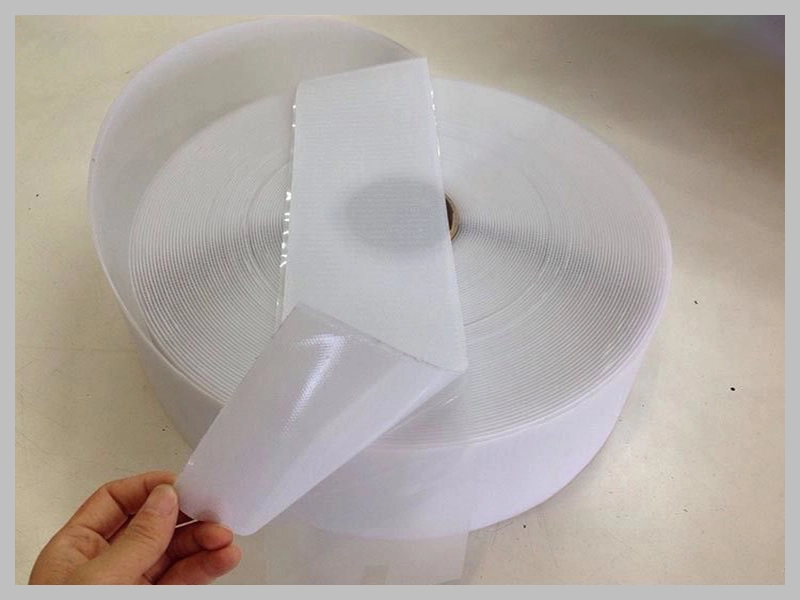
The adhesive version is coated with acrylic rather than hot melt, which is what keeps the bond from creeping when the panel sits in a warm vehicle or behind glass. Full strength takes twenty-four hours at room temperature.
How it is quoted
Widths are slit from the master roll in one millimetre steps between 10 mm and 150 mm, held to plus or minus 0.5 mm. A width that is not on the list is a slitting instruction, not a new tool, so it does not add lead time once the master exists.
What ships with the goods
Colour is checked against the retained standard under D65 on every lot, and weft skew, oil marks and hook damage are inspected across the full roll rather than on a cut sample.
Checking it on arrival
Check the colour in the light the product is sold under. Warehouse fluorescent and daylight will disagree on dark greens and navies, and a lot rejected in one light is often accepted in the other. If it matters, agree the viewing condition before the order, not after.
If the grade is still open, send the application and the cycle count and we will tell you which of the three constructions is the cheapest one that will survive it.